The television above the bar has been running since five o'clock and nobody has turned it off, which is how you know the news is genuinely catastrophic rather than merely bad.
Bad news gets muted. The kind of news that makes your stomach drop into your shoes and stay there — that stays on, volume low but not off, the anchor's face cycling through variations of controlled professional alarm while drone footage scrolls across the screen showing the Strait of Hormuz in darkness, tankers lit orange against black water, and somewhere in the graphic design department somebody decided yellow text on red backdrop was the appropriate color scheme for the beginning of a war nobody asked for.
I have been watching that television for forty minutes and in that time Miguel has not asked me what I want to drink. He already knows. He just hasn't poured it yet, which means he's waiting for me to say something, and I haven't, because there aren't words yet. There are just images. Yellow text. Red backdrop. The anchor's careful mouth.
Mom.
That's Ezra, sliding onto the stool beside me with their blue hair catching the television's flicker — punk rock aurora borealis doing its best against the apocalypse — piercings glinting like they always do, like small rebellions made permanent in cartilage. They don't say anything else. They just sit, and the warmth of them beside me is its own kind of statement about how the world keeps going even while it's ending.
We bombing Iran now?
The voice belongs to Leila, three stools down, phone face-up on the bar, both thumbs flying. She doesn't look up. She doesn't need to. She's been tracking this since before it started.
We been bombing Iran, Bubba said from the corner by the window. He's been there an hour, maybe more, coffee cup long empty, face turned toward the television with the particular expression of a man who has watched this exact movie before and knows every line. Question is what comes next.
The sound system underneath all of it was bleeding something through the old speakers — Supertramp's The Logical Song running its slow surreal circuit, Roger Hodgson's voice asking who he was and what was happening to him, which felt either inappropriately cheerful or exactly appropriate depending on how you were holding yourself together tonight.
Miguel finally set the glass in front of me. He did it without ceremony, the way you hand someone something necessary rather than something decorative — a small pour of Elijah Craig Barrel Proof, deep amber going almost to mahogany at the edges, a splash of water opened across the top to let it breathe. The heat came off it before I touched the glass. You could smell the charred oak and something underneath it, dark fruit, the ghost of summer corn from years ago in a Kentucky warehouse, and I wrapped both hands around it because the television was making me cold in a way the bar's warmth couldn't entirely reach.
Thank you, I said.
Don't thank me, Miguel said. Just don't watch it too long.
He was already moving down the bar, which was how he told me he was worried.
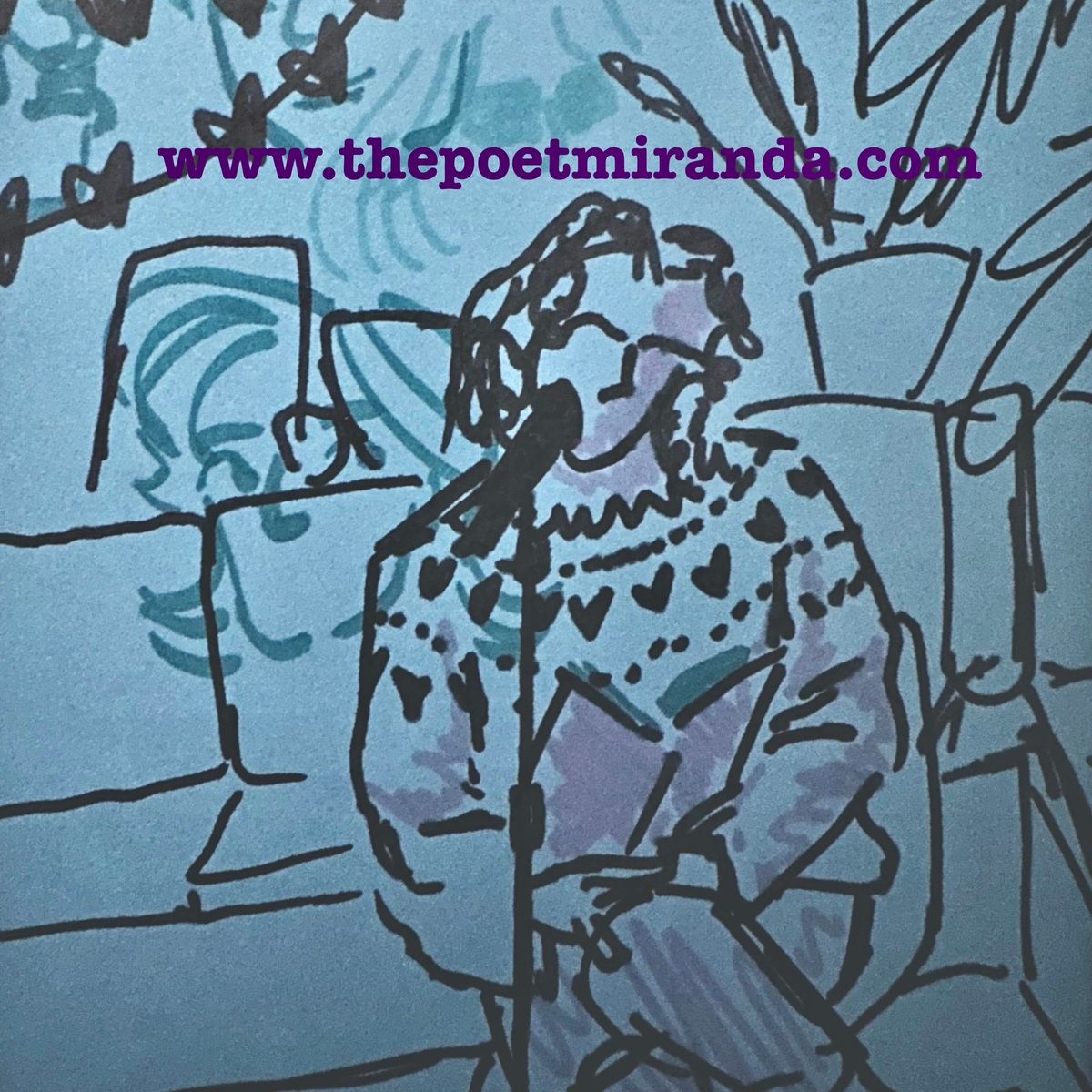
Della came out of the kitchen at six-fifteen carrying a cast iron skillet of blackened catfish that smelled like something sacred — smoked paprika and cayenne and the particular sweetness of the fish underneath the char — and she set it on the pass and looked at the television and said, fucking Christ on a cracker, and went back into the kitchen without further comment. The skillet sat there steaming for thirty seconds before Leila reached over and took a piece without asking, which was normal, which was how this place worked, which was how Della intended it.
You read the digest this morning? Leila said, still not looking up from her phone.
Wrote it at five forty-seven, I said.
The Greenpeace thing. She set her phone down. Picked it up again. Set it down again. That was three times in a row, which for Leila meant she was genuinely rattled. Three hundred and forty-five million dollars. For standing in the cold on sacred land.
Nine times that organization's annual revenue, I said.
Which is the point, she said. The amount is designed to unmake them. The bill is the punishment. The punishment is the message. She picked her phone up again. SLAPP suits have been doing this for thirty years and half the country still thinks that's what the legal system is for.
All of it's what the legal system is for, Bubba said from his corner, not unkindly. The question is for whom.
Remy materialized from somewhere near the back, cigarette trailing smoke behind him like a comet doing thirty miles per hour through a basement bar, and he dropped into the stool on my other side and exhaled slowly and looked at the television and said, in the particular way that carries everything he ever learned in Louisiana bayou country about the patience of watching things rot, mon Dieu.
Which part? I asked.
All of it, he said. But specifically that man. He nodded at the television, where the president was speaking somewhere, flag behind him, expression composed into what his media team apparently believed projected strength. That man sent those kids to die and explained it using Venezuela. He dragged long on the cigarette. Venezuela has thirty million people. Iran has eighty-seven. That is a man who does not own a calculator.
He owns a calculator, Leila said. He just doesn't care what it says.
The distinction landed in the room like a stone into wa


Phoenix and River came in together at half-past six, which was predictable and also one of the better things about Monday nights — they came in together almost always now, River still in forest-green scrubs from the hospital shift, Phoenix's hair electric purple and gold catching every warm light the room had to offer like lightning frozen mid-bolt. River got to the bar and accepted coffee from Miguel with both hands and the deeply sincere gratitude of someone who has not sat down in twelve hours. Phoenix slid into the booth along the far wall and immediately looked at the television and then looked away, which was the correct response.
How was the shift? Ezra called across.
Four trauma admissions before noon, River said, stirring cream into the coffee. Somebody's going to have to explain to me how we expect a functioning healthcare system to survive what this country is doing to itself politically and I'm not going to like the answer.
You already know the answer, Leila said.
I know, River said. That's why I don't like it.
Phoenix had their notebook out — they always had their notebook — and was writing something with the focused intensity of someone capturing a thing before it escaped. I watched them from the bar, that twenty-two-year-old face bent over the page, the ruby ring River gave them catching the warm light with every movement of the pen, and thought about what it meant to be that young and that resilient and that committed to documenting your own survival.
Can I ask you something? Ezra said, sliding off the bar stool and migrating toward the booth with the smooth inevitability of water finding downhill.
Always, Phoenix said without looking up.
The spring thing, Ezra said, dropping into the booth across from them. You two still going with April?
River turned on the bar stool. The tiredness in their face rearranged itself into something warmer. Second Saturday, River said. April eleventh.
Outside? Ezra asked.
Piedmont Park, Phoenix said, finally looking up. Near the Shakespeare Garden. There's a section with these old magnolias — River found it — and in April everything is— They stopped. Made a gesture with their hand that meant flowering and impossible and ours all at once.
And the party after? Ezra said, and their enthusiasm was genuine and enormous and somehow made the bar feel larger. Tell me about the party.
River left the bar stool and came to the booth, setting the coffee cup down and sliding in beside Phoenix, their shoulder going naturally to Phoenix's shoulder, and Phoenix leaned into it without looking up, the way you lean into something you have learned to trust completely.
We're doing it here, River said. Miguel already said yes. We're taking the whole downstairs — pull the pool table to the side, put the stage lights on, Della's doing the food. A pause. We want it to feel like this place. Because this place is where we — I mean, this is where Phoenix—
This is where I became real, Phoenix said simply.
The bar held that sentence for a moment. Even the television seemed to quiet.
Who's officiating? Ezra said, and their voice had gone soft in a way they probably didn't intend.
Phoenix looked at me then, from across the bar, with the directness that younger people use when they've decided something and only need the other person to confirm it's all right to say it out loud.
I looked back. Raised my glass slightly.
We were hoping, Phoenix said, that you would.
I set the glass down. Put my hands flat on the bar. Didn't say anything for a moment because the Elijah Craig was warm in my chest and the bar was warm around me and sometimes the correct response to being handed something enormous is to hold it carefully first.
Of course I will, I said.
Ezra made a sound that was entirely joyful and entirely wordless. River put their arm around Phoenix. The television kept running in the background.

Sarah came in at seven, pressed flannel and authority-boots, and settled at the end of the bar with the demeanor of someone who has solved the fundamental problems of existence and is now patiently waiting for the rest of the universe to catch up. She accepted a bourbon from Miguel and looked at the television for approximately forty-five seconds and then looked away with the precise expression of someone filing information for later philosophical examination rather than immediate emotional response.
It was Ezra, returned from the booth and apparently feeling bold, who started it.
Sarah, Ezra said.
Ezra, Sarah said.
We want to talk about your person.
The air shifted slightly. Sarah turned her glass one quarter rotation. Did not say anything.
Not who, Phoenix called from the booth. We already agreed. Not who.
Just— River said, leaning forward on the table, how they make you feel. You literally never talk about them. We've known you've been seeing someone for three months and you've said approximately—
Eleven words, Ezra said.
—eleven words about it total.
Sarah considered this for a long time. She turned her glass another quarter rotation. The ice shifted. Outside in the alley someone dropped something metal and it clanged once and was gone.
There's someone, she said finally.
We know, Ezra said, with tremendous patience.
They're— Sarah stopped. Picked up her glass. Put it down without drinking. It's complicated to describe. The way they make me feel.
Try, Phoenix said.
Sarah was quiet for so long that I thought she was going to redirect the conversation the way she usually did — toward philosophy, toward abstraction, toward the theoretical rather than the actual. But she didn't.
They hold their ground, she said, in a way that doesn't require volume. You know what I mean? Most people who are strong about who they are, they announce it. They need you to know. This person — they just are it. Completely. Like there's no performance required and there never was.
Ezra was very still, listening.
And they've survived things, Sarah continued, her voice going quieter, the bourbon turning slowly in the glass. Real things. The kind of things that leave marks. You can see it — the marks — and they don't hide them, but they don't perform them either. They're just part of the person. Like the marks are the proof that the person is real.
That's beautiful, Phoenix said softly.
And there's two of them, Sarah said.
The booth went briefly silent.
Wait, Ezra said.
I don't mean— Sarah made a gesture. I mean this person, they're— She paused, choosing words with unusual care. They're not one thing. There's a public version and then there's the private one, and the private one is different in the best possible way. Quieter. More careful. Like the loud version is the armor and the quiet version is the actual person. And somehow both versions are completely honest. That's the part I can't figure out.
She turned her glass the last quarter rotation and it was full circle now.
And the other one, she said, the one they're with.
You don't have to— River started.
They understand things, Sarah said. And they don't need to explain what they understand. They just sit somewhere and you can feel it — that they see everything, they track everything, and when they finally say something it lands like something inevitable. Like they already knew and they were waiting for you to catch up.
The bar was quiet enough that you could hear Della in the kitchen, the soft percussion of someone moving with practiced certainty through their domain.
That's, Ezra said, and stopped.
Yeah, Sarah said.
That sounds like something you don't let go of, Phoenix said.
Sarah looked at her bourbon. No, she said. You don't.
I kept my eyes on the television. The yellow text on the red backdrop. The tanker in dark water. I picked up my glass and finished the last of the Elijah Craig slowly, the heat of it moving through me, and I did not say anything.

It was past nine when Leila put her phone down for the last time and looked at the television with an expression that was not resignation but was adjacent to it — the look of someone who has metabolized the day's full horror and is now deciding what to do with the residue.
Renee Good, she said.
The name sat in the air differently than everything else had tonight.
Her family is still waiting, Leila said. Two months. He hasn't called once.
He called her violent, Bubba said. His voice was like bedrock. On television. He called a poet violent.
She described herself, Leila said, as a poet and a writer and a wife and a mom. A pause. One of those descriptions came from people who loved her. The other came from people who never looked.
Nobody improved on that. The television kept running. Supertramp gave way to something else through the speakers — The Police drifting into Every Breath You Take, which was either ironic or precisely correct — and the bar breathed around all of us, the walls that had been painted over damage, the ceiling opened up to white, the warm lights doing what warm lights do in the dark.
Remy lit a new cigarette. Bubba looked out the window. Phoenix wrote something in the notebook. River put their hand over Phoenix's hand.
Miguel came down the bar and stopped in front of me and looked at my empty glass and didn't ask.
Something different, I said.
He reached under the bar and produced a bottle I didn't recognize immediately — Jefferson's Ocean, aged at sea, the bourbon rocking in barrels across actual ocean for years, and the color was something between amber and the dark water on the television screen, and he poured two fingers without speaking, and the smell of it was salt and caramel and something that had been somewhere and come back changed.
I held it and thought about Renee Good's family in Denver with a stuffed owl and two months of unanswered silence. I thought about three hundred and forty-five million dollars invoiced for standing in the cold. I thought about Phoenix saying this is where I became real, and Sarah saying you don't let that go, and River's arm going around Phoenix's shoulders with the ease of something true.
The television ran. The war ran. The bar ran underneath it all, warm and contrary and refusing to go dark.
This place, Ezra said to no one in particular, blue hair lit by bar-warmth, piercings like small declarations, voice full of something that had no name yet. This specific place.
Nobody argued.
"The master's tools will never dismantle the master's house. They may allow us temporarily to beat him at his own game, but they will never enable us to bring about genuine change." — Audre Lorde, poet, Black feminist, lesbian warrior, from Sister Outsider (1984)

Tonight held three kinds of fire: the war on a television screen nobody could stop, a bill designed to silence the people who showed up, and the unanswered phone of a dead woman's family. Lorde understood that none of these could be survived by borrowing the tools of the people who built them — not courts, not polite compliance, not strategic invisibility. What lived in the basement was something else entirely. Chosen family, which is a tool they didn't give us and cannot take. The bar warm against the cold. A wedding being planned around magnolias in April. That's the other architecture. The one we built ourselves.

